


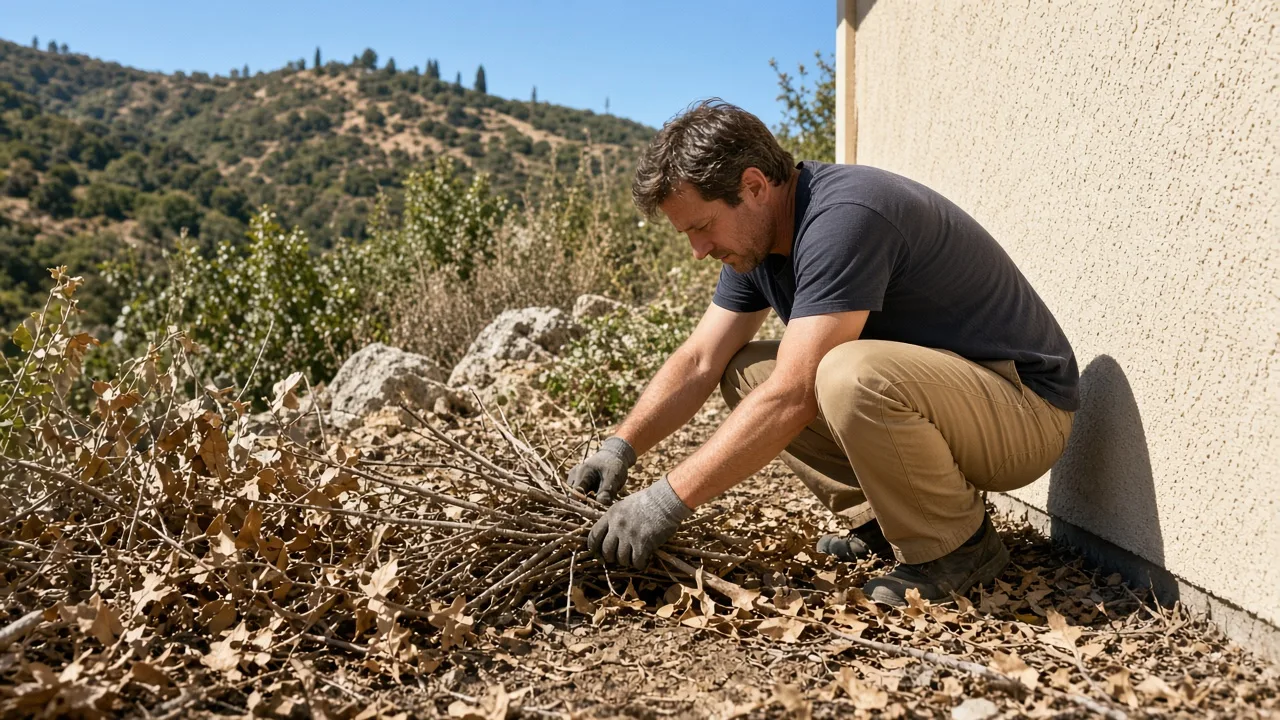
Living in San Diego County's East County brings beautiful hills, open space and room to breathe. It also brings the reality of wildfire. Preparing early, long before smoke is visible, is the most effective thing a household can do. This checklist pulls together practical steps based on guidance from state and local fire agencies.
Start With Your Home and Yard
Embers carried by wind cause many home losses, not just the flame front. Reducing what those embers can ignite near your house is called creating defensible space.
- Clear dead plants, dry grass and fallen leaves from within the first five feet around the house.
- Keep lawns trimmed and trees pruned so branches do not touch the roof or hang over chimneys.
- Move firewood stacks, propane tanks and patio furniture cushions away from walls.
- Clean roof valleys and gutters of needles and leaves.
- Cover attic and crawl-space vents with fine ember-resistant mesh when you can.
Cal Fire and your local fire protection district publish defensible-space guidelines and many offer free inspections. Contact your district to schedule one.
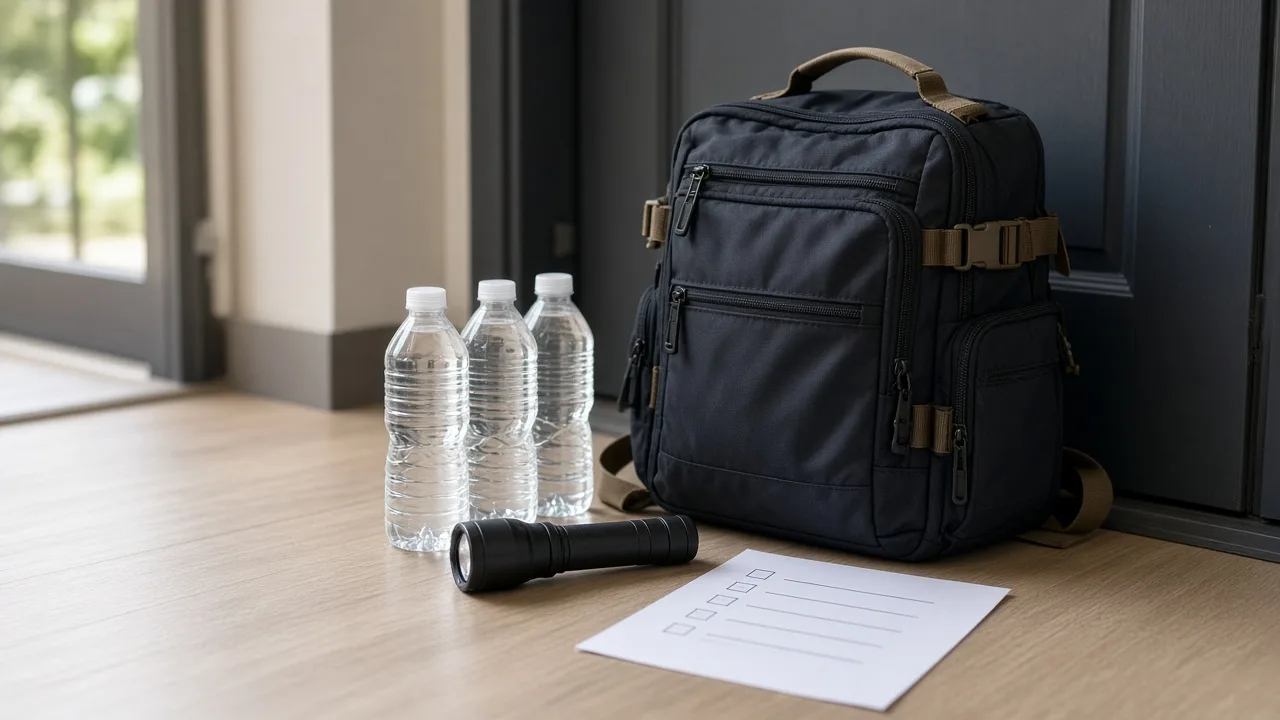
Build a Go-Bag
If you need to leave quickly, you will not have time to think. Pack a bag for each family member and keep it somewhere easy to grab. Include medications, copies of important documents, a phone charger, a flashlight, a battery or hand-crank radio, a change of clothes, water and non-perishable snacks. Do not forget pet food, leashes and carriers, and a few days of any prescriptions.
Make an Evacuation Plan
Know at least two ways out of your neighborhood, since one road may be blocked. Decide on a meeting place for the family and an out-of-area contact everyone can call or text. Practice the plan with children, and check in with elderly or mobility-limited neighbors who may need help. If you have horses or other large animals, identify trailer access and an evacuation destination in advance.
Sign Up for Alerts
San Diego County offers an emergency alert system called AlertSanDiego where residents can register phone numbers and email addresses to receive notifications. Pair it with weather radio, a local fire-agency social media account and, when conditions are dangerous, a habit of checking the news each morning. Red flag warnings, issued when fire weather is elevated, are a signal to review your plan and avoid any outdoor activity that could spark a fire.
Review Your Insurance
Check that your homeowner's policy is current and that your coverage reflects today's rebuilding costs. Take a video walk-through of each room and store it in the cloud, which makes claims much easier. Keep a list of belongings, serial numbers and receipts for major items.
Practice Good Habits All Season
Many wildfires start from ordinary activities: mowing dry grass, dragging a trailer chain, parking a hot vehicle on dry brush or using fireworks. On hot, windy days, postpone yard work and avoid anything that can create a spark. Making preparedness a routine, not a scramble, is how neighborhoods stay safer together.